Hypoglycemia / Low Blood Sugar
Causes, Symptoms, Treatment and Prevention
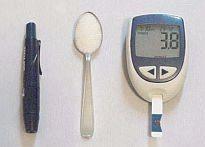
Many practitioners recommend nearly identical dietary lifestyles for those suffering from Low Blood Sugar (hypoglycemia),[1] and diabetes (hyperglycemia), whereby adequate consumption of Protein and Fiber, as well as Sodium (salt) intake and management are important considerations to help improve sugar metabolism in both situations.
Sodium slows insulin response, which with diabetes contributes to poor blood sugar control, however some hypoglycemic individuals with no sodium sensitivity, no aldosterone issues, and generally a disposition for low blood pressure can use sufficient sodium intake to their advantage, because it diminishes a quick rise and fall in insulin levels and subsequently reduces those dreaded blood sugar highs and lows they commonly experience.
Some practitioners place great importance on the Glycemic Index (GI) of any particular food or beverage, although from personal clinical experience, only the reduction or elimination of simple carbohydrates or sugar is necessary, while complex carbs, or even most refined carbohydrates don't have to be avoided at all - regardless of their glycemic index. (see also Acu-Cell "Sugar & Glycemic Index").
Symptoms experienced as a result of low blood sugar include weakness, mood swings, headaches, irritability, nervousness, or nausea with milder cases, and there is the potential of visual disturbances, shaking, anxiety, sweating, confusion, palpitations, dizziness, aggression, or severe fatigue with more severe cases of low blood sugar episodes.
Regardless of lifestyle changes or treatments recommended by their practitioners, there are general rules which patients themselves can follow trying to control the symptoms of both, blood test-verified hypoglycemia, or reactive hypoglycemia (symptoms only):
- Meals have to be kept smaller and spread throughout the day. If possible, individuals prone for hypoglycemic episodes should not go for more than three hours without a meal or snack.
- When consuming complex or refined carbs, they should be consumed with some fat or protein.
- Emphasis should be placed on increasing protein intake -- eggs, nuts, seeds, chicken, turkey, lamb, beef, salmon, tuna..., or one may consider a protein supplement (if protein tests consistently low).
- Evaluating frequently-consumed foods by their potential to aggravate low blood sugar symptoms will not only help with meal planning at home, but also with dinner invitations, or when traveling.
Allowed are all foods containing complex and most refined carbohydrates, while simple sugars / carbs should be eliminated. Some nutritional remedies or supplements for hypoglycemia are listed further below.
Complex, Refined, and Simple Carbohydrate Food Sources:
Legumes, such as lentils, peas and beans. Vegetables, such as beets, broccoli, cabbage, carrots, cauliflower, corn, lettuce, peppers, potatoes. Nuts and seeds, brown or parboiled rice, whole grains, incl. whole-grain flour, bread, pasta, and cereal.
Polished rice, most refined and processed, but unsweetened grain products, pizza crust, cereal, buns, bread, pasta, general baked goods, bagels and granola without added sugar.
White sugar, brown sugar, honey, agave nectar, corn syrup, maple syrup, sorghum syrup, molasses. Sweet / ripe fruit (bananas, pears, figs, dates, raisins, sweet melons...), dried fruit, canned fruit (peaches, mixed fruit), fruit juices (apple juice) - unless watered down. maltodextrin, anise, alcohol, licorice-candy, Stevia.* Sucrose, glucose, fructose, maltose, dextrose, galactose, trehalose, D-ribose, and other "...ose" variations. Candy, ice cream, chocolate, pop, donuts, cakes, cookies, sweetened cereal & granola, jam, marmalade.
Stevia: Because of its blood sugar-lowering and blood pressure-lowering potential, the sweetener stevia should be evaluated first on an individual basis, before being regularly used by anyone suffering from hypoglycemia, or general glucose tolerance problems. Feedback has been mixed, with stevia being well tolerated by some, but less so (i.e. aggravated low blood sugar symptoms) by others.
Licorice (glycyrrhiza glabra - real licorice) is part of the "Simple Sugar" group, however hypoglycemic individuals - especially those who also suffer from low aldosterone levels - may benefit from its sodium raising and potassium-lowering properties.
Xylitol (a sugar alcohol) - approved since 1963 by the FDA for special dietary purposes - has a number of positive health attributes for humans (it is toxic for dogs) that include the reduction of tooth decay, 40% fewer calories compared to conventional sugar - yet has the same taste as sugar with no aftertaste, it helps reduce bone loss, and helps fight candida / yeast infections. There are no known contraindications for the use of xylitol during pregnancy, nursing, or for children.
Xylitol does not require insulin for its metabolism, so unless larger amounts are consumed, it is suitable for those affected with Diabetes and Hypoglycemia. Xylitol can also be used by individuals suffering from Acne and Sugar Allergies (i.e. allergies to all simple sugars), provided there is no adverse reaction to the source material used, such as corn, birch, or sugar cane bagasse, among others.
Side effects: Depending on the overall tolerance and amounts used, Xylitol may raise serum uric acid levels, cause stomach upsets, acid reflux, intestinal gas and bloating, abdominal cramps, diarrhea, loose stools, or undigested foods (corn, certain fruit, berries, vegetables...) in stool.
Warning: Although Xylitol may be beneficial by causing a shift in fecal microbial flora from Gram-negative to Gram-positive bacteria, Xylitol - and other sugar alcohols such as Sorbitol - can cause flare-ups, or may contribute to the development of Irritable Bowel Syndrome, Ulcerative Colitis, or Crohn's disease.
Additional considerations to reduce symptoms of hypoglycemia include the avoidance of Caffeine-containing and Alcohol-containing beverages, foods and beverages that contain high amounts of Potassium, which lowers Chromium and Manganese. This also applies to supplementing high doses of Vitamin C, (which supports insulin and lowers manganese), and Vitamin B6 (which supports potassium, magnesium, and lowers manganese also).
Adding supplemental Fiber to one's meals - particularly when simple or refined carbohydrates are consumed, equally benefits individuals suffering from either hypoglycemia or hyperglycemia. This may include the most common type of soluble fiber, Psyllium Seed, available in powder, husks or tablet forms, or may consist of a special fiber blend containing konjac root extract (glucomannan), sodium alginate, xanthan gum, and others.
For Vegetarians, the lower protein content of many vegetarian foods can be a problem, as can be the higher potassium and lower sodium levels, particularly with beans and potatoes, when compared to animal products. One option is to place more emphasis on consuming celery, spinach or beets (if tolerated), which have a lower potassium to sodium ratio.
But regardless, vegetables - unless thoroughly cooked - and fruit, provide the least satiety, although baked potatoes (consumed without any fat) ranked highest on the Satiety Index. Unfortunately, that index rates the satiety of foods only for the first two hours after consumption. For ovo vegetarians, having eggs for breakfast provides one of the best protein bases to help maintain adequate blood sugar control into the day, while oatmeal may be a reasonable compromise for vegans.
Most Nuts - if tolerated - can, or should be part of a hypoglycemic diet, being an excellent source of protein for those trying to manage low blood sugar symptoms. Cashews, chestnuts, and coconuts in particular have a lower potassium / higher sodium ratio, which helps sustain higher blood sugar levels.
Coconuts (i.e. coconut oil) also contain larger amounts of medium chain triglycerides (MCT), which may offer nutritional support in a number of medical conditions, including seizures, poor immunity / immunosuppression, and various malabsorption syndromes. If tolerated, nuts, particularly almonds, and sunflower seeds, are also convenient, non-perishable foods when traveling.
Nutritional Supplements / Remedies for Hypoglycemia:
- Chelated chromium 500 mcg - 2000 mcg+ / day,
- Chelated manganese 25 mg - 50 mg+ / day,
- Niacinamide 100 mg - 500 mg+ / day,
- Biotin 250 mcg - 2000 mcg+/day,
- Choline bitartrate 250 mg - 1000 mg+ / day,
- PABA (para-aminobenzoic acid) 300 mg+ / day,
- Vitamin E Complex 400 IU - 800 IU / day.
Choline should be used with caution if there is a disposition for water retention (swollen hands or feet), since it boosts aldosterone activity, which in turn results in sodium retention. However very low sodium levels can also result in edema, in which case sodium retention as a result of boosting someone's aldosterone levels is advantageous and can at times lead to tremendous water weight loss. As mentioned above, licorice is also a treatment remedy for low aldosterone types, provided blood sugar levels are not negatively affected.