Muscle Spasms and Cramps: Nutritional Causes, Treatment Remedies & Prevention

What causes Muscle Spasms?
Exercise-induced spasms are among the most common causes -- particularly an overuse of muscles during a strenuous workout, or under hot, humid conditions, which can affect especially those muscles that have not been well trained for the task. Muscle cramping can also occur when remaining in the same position for an extended period of time, while more severe and prolonged spasms (e.g. neck spasm) may result from trauma such as whiplash.
Muscle spasms can also develop from electrolyte (mineral) imbalances, or an inadequate blood supply due to vascular disease. Organically induced spasms of the smooth muscles may involve intestinal walls (colic), the bile duct (biliary attack), or the passing of a kidney stone (ureter). A muscle spasm may also be triggered by allergies or irritants affecting the throat or esophageal sphincter.
How does one treat a Muscle Spasm?
Should a skeletal muscle go into spasm, the best advice is usually just to stretch and massage the affected muscle until any acute pain is relieved. If there has been some damage to a muscle, a brief use of pain meds, or the use of muscle relaxants for chronic cases is generally recommended, however instead of just masking the symptoms, the cause of ongoing muscle spasms should be isolated and resolved.
Acute back spasms, triggered as a result of injuries, or chronic back spasms resulting from a curvature of the spine (scoliosis), may benefit from chiropractic adjustments, physiotherapy, ultrasound therapy, acupuncture, or needle-less electro-acupuncture - depending on the type of medical system one is most comfortable with.
Abnormal Mineral Ratios are also capable of affecting spinal alignment, or they can lead to scoliosis over time and subsequently trigger upper, middle, or lower back spasms, in which case drug therapy, or frequent visits to a physiotherapist, chiropractor, or acupuncturist can become frustrating, since the treatment won't last. However, once a nutritional balance is established, the spine is less likely to go out of alignment and trigger muscle spasms, cramps, and/or related health problems.
How is Calcium related to Muscle Spasms or Cramps?
Calcium can be an effective nutritional or natural remedy for muscle spasms, particularly in many nocturnal cases (during sleep). The extra requirements for calcium may be a result of a very high protein intake, high phosphate levels (kidney disease, poor diet), hormonal diseases, nutritional imbalances, intestinal conditions (celiac disease) that interfere with calcium absorption, prescribed medications that promote calcium loss, or supplementing too much of the wrong nutritional remedies, such as Vitamin A, Vitamin C, zinc, or lecithin. An excessive Vitamin B-Complex intake is also capable of causing "burning muscles" or chronic muscle tension.
Calcium levels are further affected by blood-thinning drugs, and nutritional supplements with blood-thinning properties such as Vitamin E, omega / fish oils, ginkgo biloba, ginseng, saw palmetto, bromelain..., as well as pomegranate (and some berry) juices, some fiber supplements, a higher intake of grains, alcohol, and oxalic acid sources such as Swiss chards, rhubarb, spinach, beets, cocoa products..., which all have a lowering effect on calcium levels.
How can I tell if I need - or don't need extra Calcium?
If no resources are available to measure cellular calcium (blood or serum calcium levels cannot be used to determine dietary calcium requirements), one could supplement 300 mg - 500 mg of calcium two to three times a day for a couple of days and evaluate the effect. (Studying calcium excess / deficiency symptoms may help with the decision as well).
If the muscle spasms improve or subside, one can assume that a calcium deficiency may have existed, and a safe, daily amount - sufficient to relieve the spasms, without overdosing - and the right type will have to be determined.
For instance, calcium carbonate is better for soft stools or higher stomach acid levels, while calcium citrate is usually better for lower acid levels and those with a tendency for constipation. Vitamin D3 requirements can be assessed through blood tests, where its levels should be optimized to more than 75 nmol/L as well.
If muscle cramping gets worse when supplementing extra calcium, then high calcium levels may be suspect and extra co-factors may be required to make calcium more bioavailable. Remedies to choose from include a higher daily intake of Vitamin C, Lecithin, Omega 3, Protein, Magnesium, and others. Increasing stomach acid (if low) with supplements, or using lemon water with meals are other options.
A grinding noise when doing knee bends or squats can be another indication of excessive calcium retention. Provided there is no injury or major joint degeneration, the grinding noise will disappear once calcium levels are normalized, which can also be confirmed with before and after cellular calcium measurements.
How does one prevent left-sided or right-sided Muscle Spasms?
If caused by a mineral deficiency, one-sided leg cramps or calf spasms can help with the decision of what to supplement, whereby the left side is generally indicative of extra Calcium requirements, while the right side is usually an indication of extra Magnesium being needed. If right-sided muscle cramps respond to calcium (rather than magnesium or similar remedies), dehydration is suspect, and extra sodium or potassium may be required instead.
When breastfed babies suffer from medical problems that are due to nutritional deficiencies, their symptoms are commonly relieved when their nursing mother supplements extra amounts of these deficient nutrients. Muscle spasms are no exception, although thus far, Dr. Ronald Roth had only encountered left-sided leg cramps in those infants, with subsequent measurements confirming a calcium deficiency in both, the mother and the baby.
A Calcium + Magnesium combination (+ Vitamin D) may be necessary to get relief and prevent cramping when the left and right side is involved as a result of both minerals being deficient.
Which Remedies are helpful if poor Circulation causes Muscle Cramping?
While electrolyte or other nutritional imbalances can be a cause or contributing factor for cramping of one's toes, or toe spasms also, if one never experiences spasms or cramps in other parts of the body, then they may occur as a result of poor circulation, wearing tight shoes, or sitting in a particular position (car, theater, or plane) for longer periods of time. Briefly exercising or massaging one's toes, or taking a short walk usually provides relief and resolves the problem.
If poor circulation is the cause of muscle spasms, Vitamin E, Omega / Fish Oils, Gingko biloba, or other remedies may be a treatment option for their vasodilating (Vitamin E), and/or blood-thinning properties, provided one takes into account that a higher intake of blood-thinning remedies also reduces calcium levels.
Which Remedies are helpful for Exercise-induced Muscle Spasms or Cramps?
Overuse or injuries are common causes for painful muscle contractions, which can involve neck, chest, back, abdominal, calf, and front & back thigh muscles, and they can be experienced in one's hands, arms, and toes. After stretching and massaging the affected muscle, consuming foods or beverages containing Lactic Acid is one strategy to reduce muscle tension when working out, despite the buildup of lactic acid in muscle tissue during strenuous exercise being actually a common cause of muscle cramps. This happens from insufficient oxygen not being able to oxidize lactic acid, which would otherwise get rid of it from muscle.
Inosine and Creatine supplements can act as preventive remedies to reduce the buildup of lactic acid in muscle, while MSM not only helps prevent the buildup of lactic acid, but it is also effective in eliminating it.
As exercise tolerance [1] increases from repeated training, it takes increasingly longer before lactic acid builds up in muscle, so there is less of a chance of muscle cramps to develop. Lactic acid is found in a number of foods and beverages, and it is also commercially added to increase their acidity (olives, sauerkraut, cheese, beer, soft drinks, pickles...). Lactic acid-containing drinks can serve as valuable fluid replacement remedies for athletes before, during, and after competitive training and exercise.
Sodium and Potassium imbalances also tend to become more of a problem during, or after physical activity, but less so during rest, so for exercise-induced hand, arm or leg cramps or spasms, their addition in the form of a sports drink, or through additional Sodium / Potassium supplementation may be a consideration - however sufficient hydration (taking in enough fluid) is most important before, during, and after a workout!
In practice, not all cases are that straightforward. The following example presents the chemistry of someone who experienced severe muscle cramps in his quadriceps (front of the thigh) within only a few minutes on an exercise bike. It also demonstrates a seemingly possible - but in the long-term incorrect - interchangeability of similar-acting minerals (calcium versus sodium in this case):
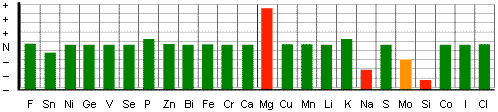
Since calcium is quite low in ratio to magnesium, supplementing 500 mg of elemental calcium per day quickly resolved the muscle cramping - but only symptomatically!
The right strategy of course was to raise Sodium, since continuing to supplement calcium would only lead to a greater increase in cellular magnesium over time (unless potassium is high also), which in turn would lower sodium even more and result in all sorts of additional medical problems (see "Mineral Ratios" for the reasons).
While using extra salt would work for many individuals, it generally does not prevent muscle spasms with low aldosterone types (whose sodium levels are chronically low - even with high sodium intake), so supplements such as Choline Bitartrate are indicated instead to raise sodium levels, which in time will lower magnesium and thus correct an individual's calcium / magnesium ratio also. In the above case, a silica supplement - which also inhibits magnesium - was another important complementary remedy.
Sodium Bicarbonate (baking soda) or Sodium Citrate ("Eno") can be helpful for low sodium-related muscle cramps and spasms as well. They, or similar buffering agents are used by some athletes to combat muscle fatigue and to increase performance by raising muscle and plasma pH, however when increasing amounts from a recommended 0.3 g per kg of body mass to what some trainers consider to be an optimal intake of 0.6 g per kg, there is a risk to induce muscle spasms, stomach cramps, and/or a variety of other side effects.
Are chronic Muscle Spasms a warning sign of other medical problems?
Since low calcium and/or low magnesium-induced muscle spasms go hand in hand with disturbances of bone mineral metabolism, it may be worthwhile to be evaluated for other, possibly more serious medical problems such as Osteopenia or Osteoporosis, whereby additional preventive supplements (e.g. Vitamin D and/or Vitamin K), or other dietary adjustments may be indicated. Those suffering from leg or calf cramps that are due to insufficient potassium intake should be aware of - or at least use their symptoms as a warning sign - that ongoing low potassium levels increase the risk for Cardiovascular Disease and/or Stroke.
Are there any Remedies for "Restless Leg Syndrome?"
Some practitioners recommend 10+ mg of Biotin a day for both, various types of muscle cramping, and also for "Restless Leg Syndrome" (which is a neurological disorder), since some dialysis patients suffering from Restless Leg Syndrome (RLS) have tested deficient in that B-Vitamin. In some cases, the symptoms of Restless Leg Syndrome can be attributed to Iron [2] or Folate deficiency, resulting in lower dopamine production.
"Sleep Starts" (myoclonic or hypnagogic jerks) describes a type of involuntary muscle jerking that takes place just before drifting off to sleep. While felt by most people at some point in their lives, these sudden muscle twitches or jolts don't generally interfere with someone's sleep unless they occur on a regular, nightly basis. When they start to take place seconds apart, they will seriously affect a patient's ability to fall, or remain asleep. Some individuals experience shorter bouts that only last a few weeks, however other people are less fortunate and may suffer "sleep starts" for several months, or on an ongoing basis.
There are some known medical conditions associated with myoclonus, including brain or spinal cord injury, Parkinson's disease, Tourette syndrome, multiple sclerosis, stroke, epilepsy, drug or chemical poisoning, organ damage, and others, however "sleep starts" is considered to be a type of Periodic Limb Movement Disorder that as of yet lacks a specific medical cause, treatment, or has a known relationship to a specific medical condition, although females are affected more than males, partly due to hormonal fluctuations that seem to aggravate this condition around the time of their menstrual cycle.
Standard treatments for "sleep starts" consist of clonazepam therapy (a benzodiazepine type of tranquilizer), which - while able to help the symptoms, invites the usual long-term dependency this class of drugs is known for. Some patients require additional drugs, or drug combinations that may include barbiturates, sodium valproate, phenytoin, or primidone.
Unfortunately, nutritional remedies (as listed above) that are helpful for conventional muscle spasms and cramps do not offer any benefits for most types of myoclonus, however Taurine in the 1,500 mg to 6,000 mg a day range has been shown be somewhat helpful for "sleep starts," provided reasonable care is taken at the same time to avoid stimulants such as alcohol, caffeine, and excessive intake of sugar, which are known to worsen the symptoms.